WHY WE NEED TREES
Celebrating International Tree Day
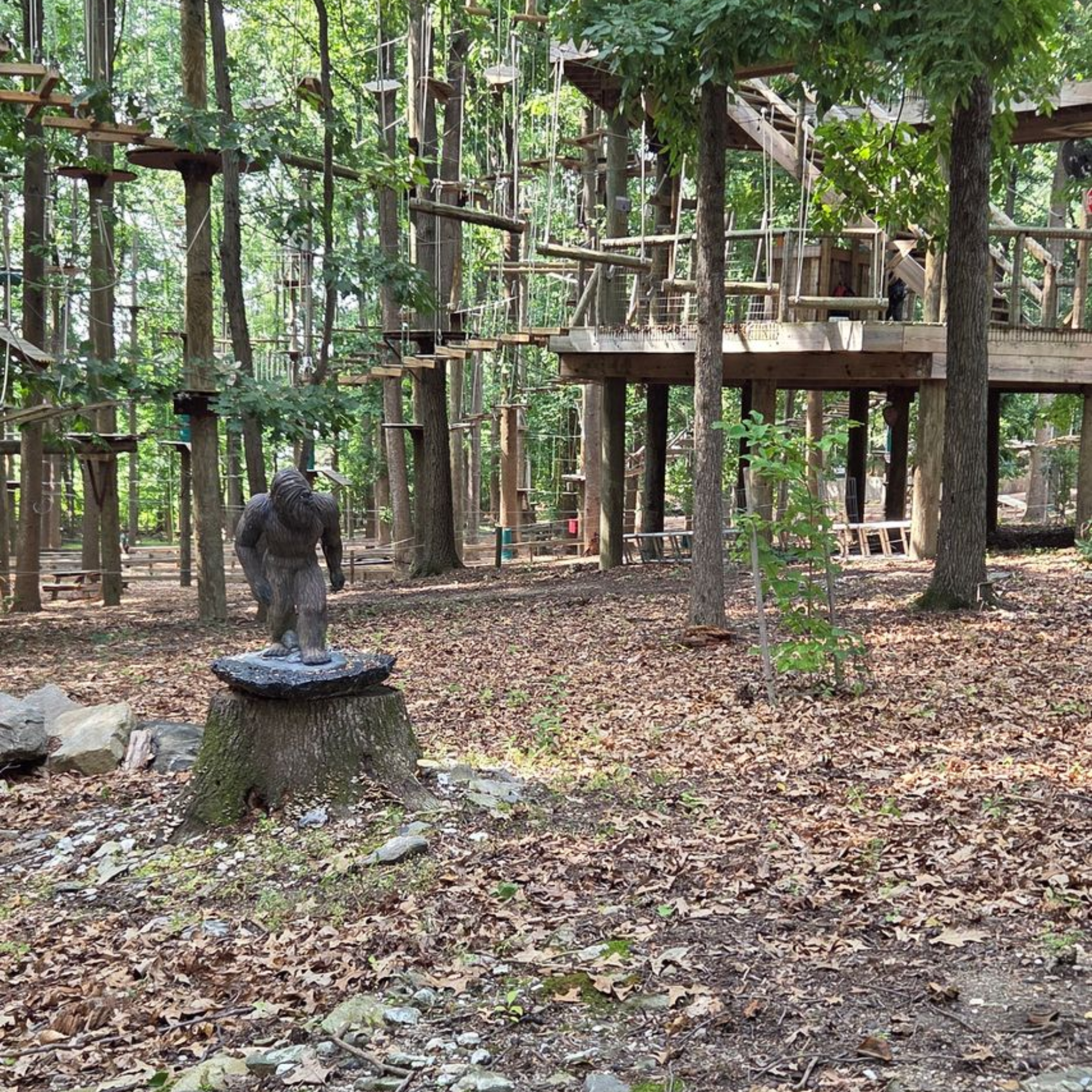
At Tree Trekkers, the trees are more than the backdrop for an adventure.
They are the adventure!
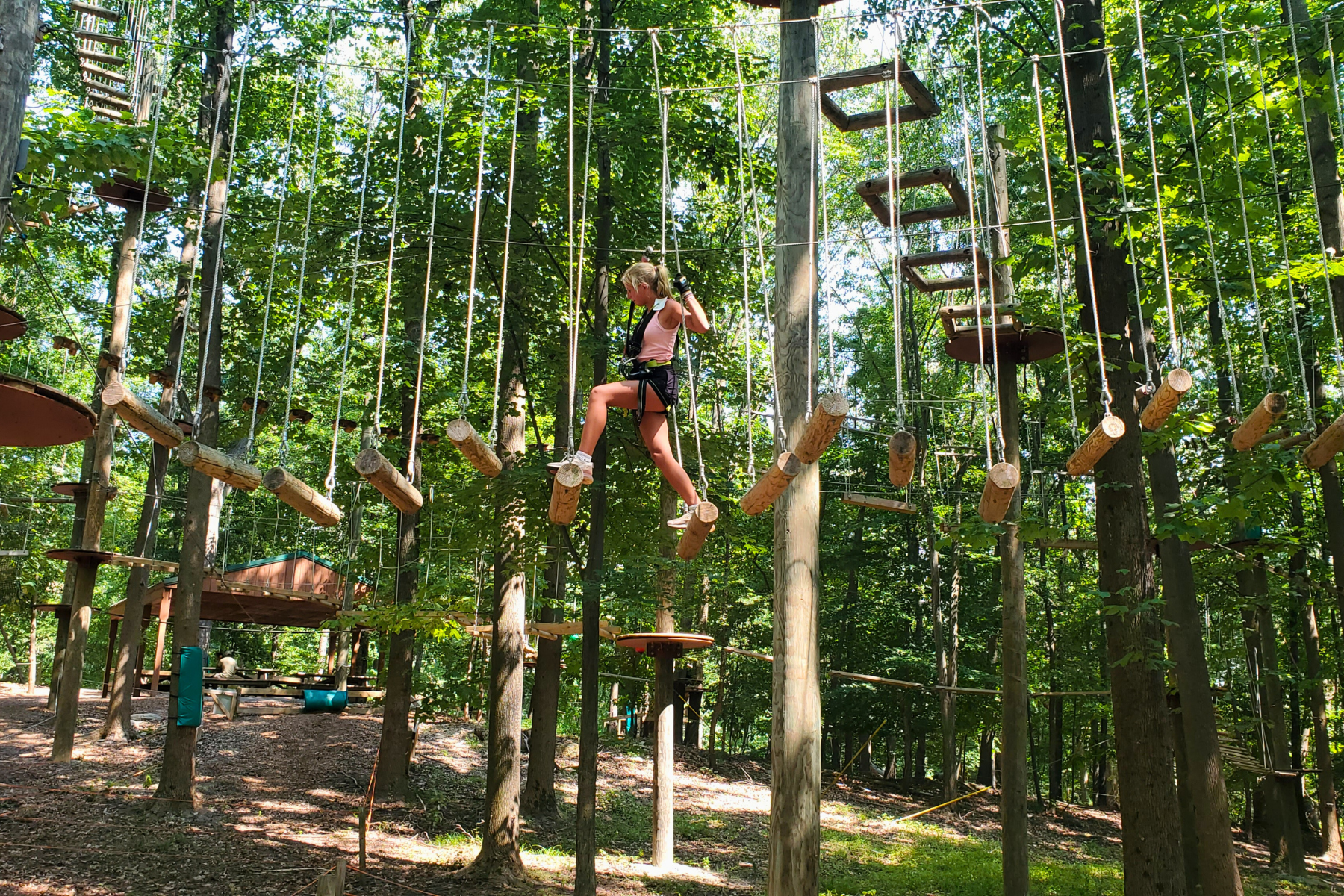
They hold our platforms, surround our ziplines, shade our trails and create the treetop canopy our guests explore every day.
July 26, 2026, marks National Tree Day, an annual celebration that encourages communities to plant trees and protect natural spaces. Although the event began in Australia, its message reaches far beyond one country. Trees, forests, flowers and plants are essential to communities around the world.
Did You Know Tree Trekkers Saved 30 Acres of Forest?
As Frederick County continues to grow, more land is being cleared for homes, businesses and new development. When Tree Trekkers was created, our goal was to build something different.
Instead of clearing the land, we protected it.
Tree Trekkers preserved approximately 30 acres of forest, with 14 acres placed in forest conservation. Our aerial adventure park was designed to incorporate the existing forest, allowing guests to climb among mature trees, experience the treetop canopy and reconnect with nature.
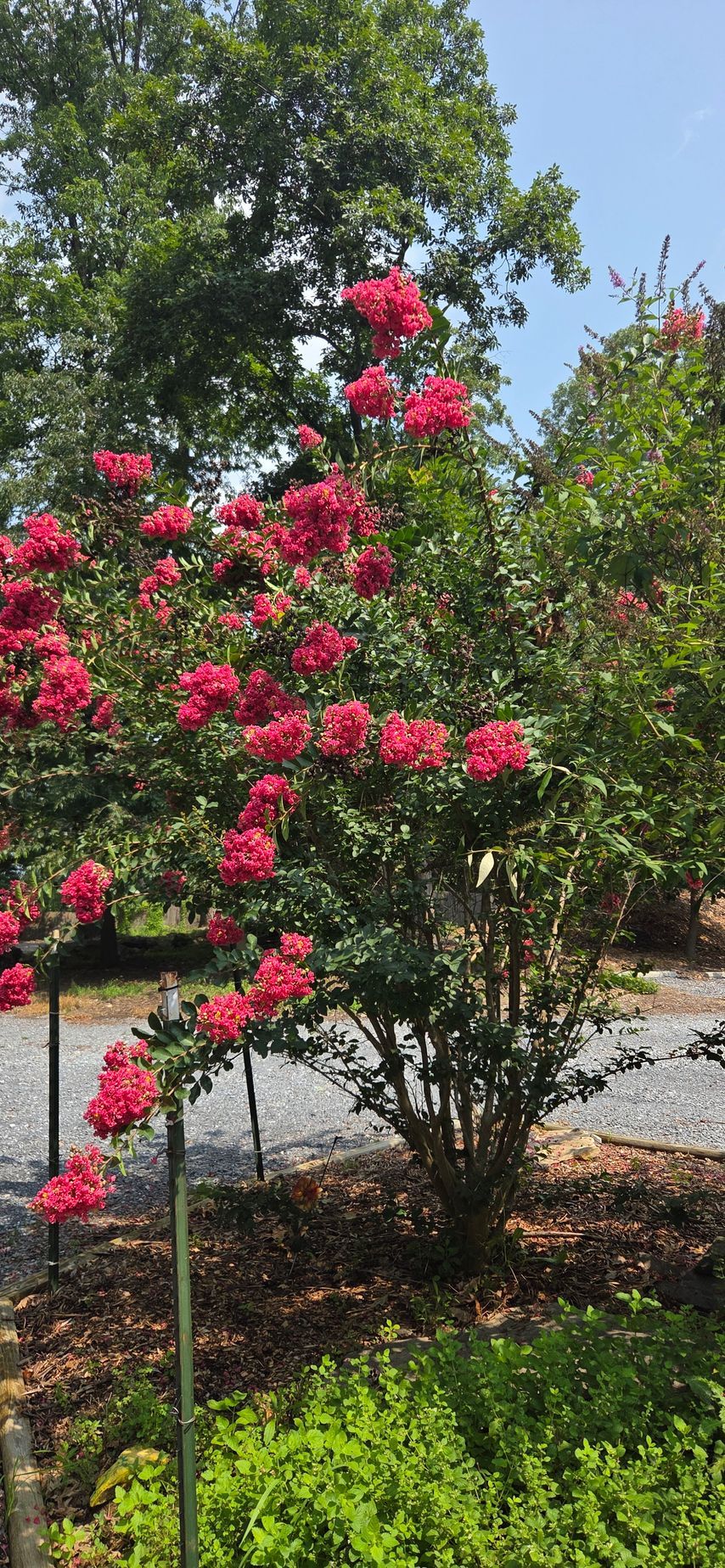
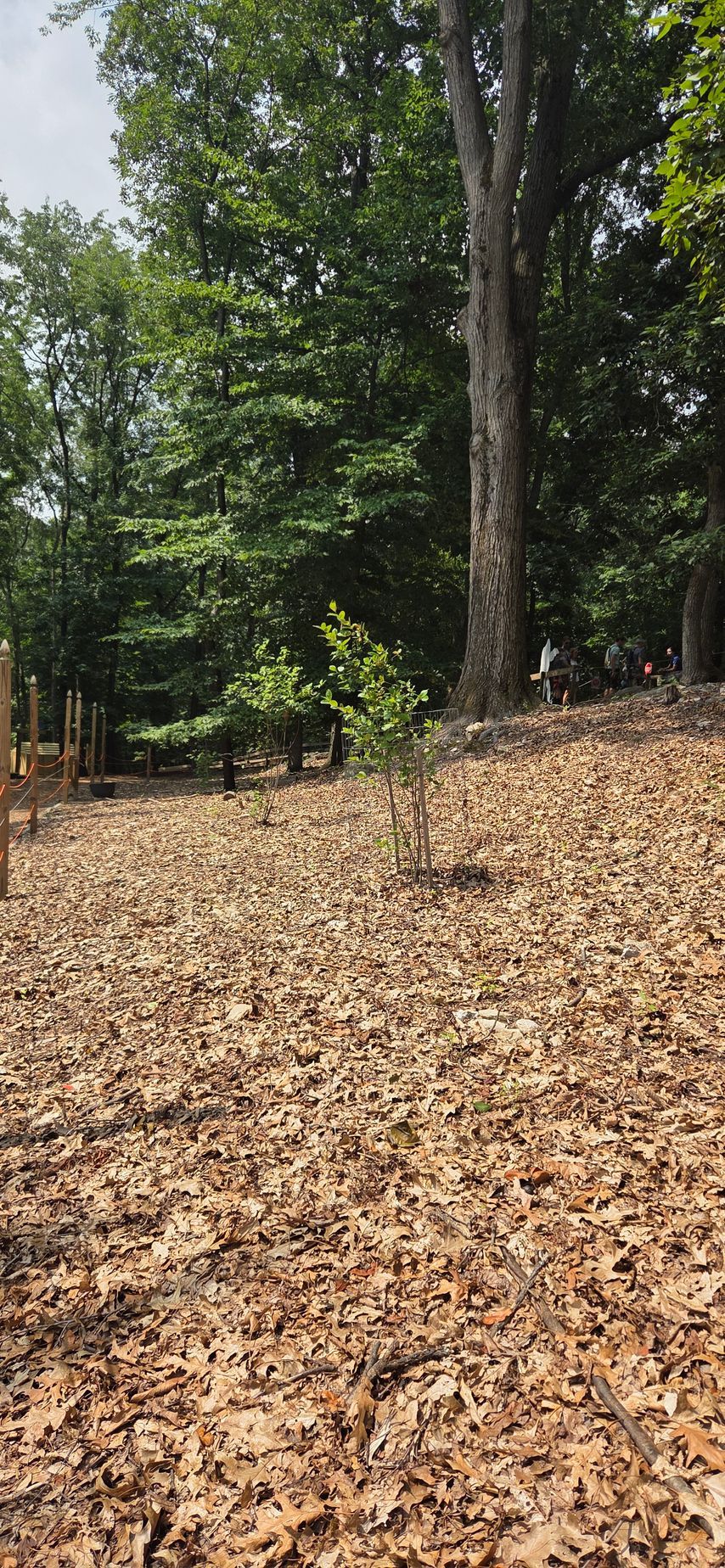
According to the Maryland Department of Natural Resources, Maryland’s forests are among the state’s most valuable natural resources. Forests support clean water, wildlife habitat, recreation and healthier communities. Tree Trekkers received a small MDOT grant in 2024 and we were able to plant 17 additional Juvenille trees, shown in photos below.
Why Are Trees So Important?
Trees work hard every day, even when we cannot see it happening.
They help:
- Cool the air by providing shade and releasing moisture
- Capture some airborne pollutants on their leaves
- Absorb carbon dioxide and store carbon
- Reduce stormwater runoff
- Improve water quality
- Create food and shelter for birds, insects and other wildlife
- Support healthier and more comfortable communities
The U.S. Environmental Protection Agency’s guide to the benefits of trees and vegetation explains that trees cool surrounding areas through shade and evapotranspiration. They can also improve air quality, absorb rainfall, reduce stormwater runoff and provide essential wildlife habitat.
In other words, trees are not simply nice to look at. They are an essential part of a healthy community.
Every Part of the Forest Matters
A healthy forest is more than a collection of tall trees.
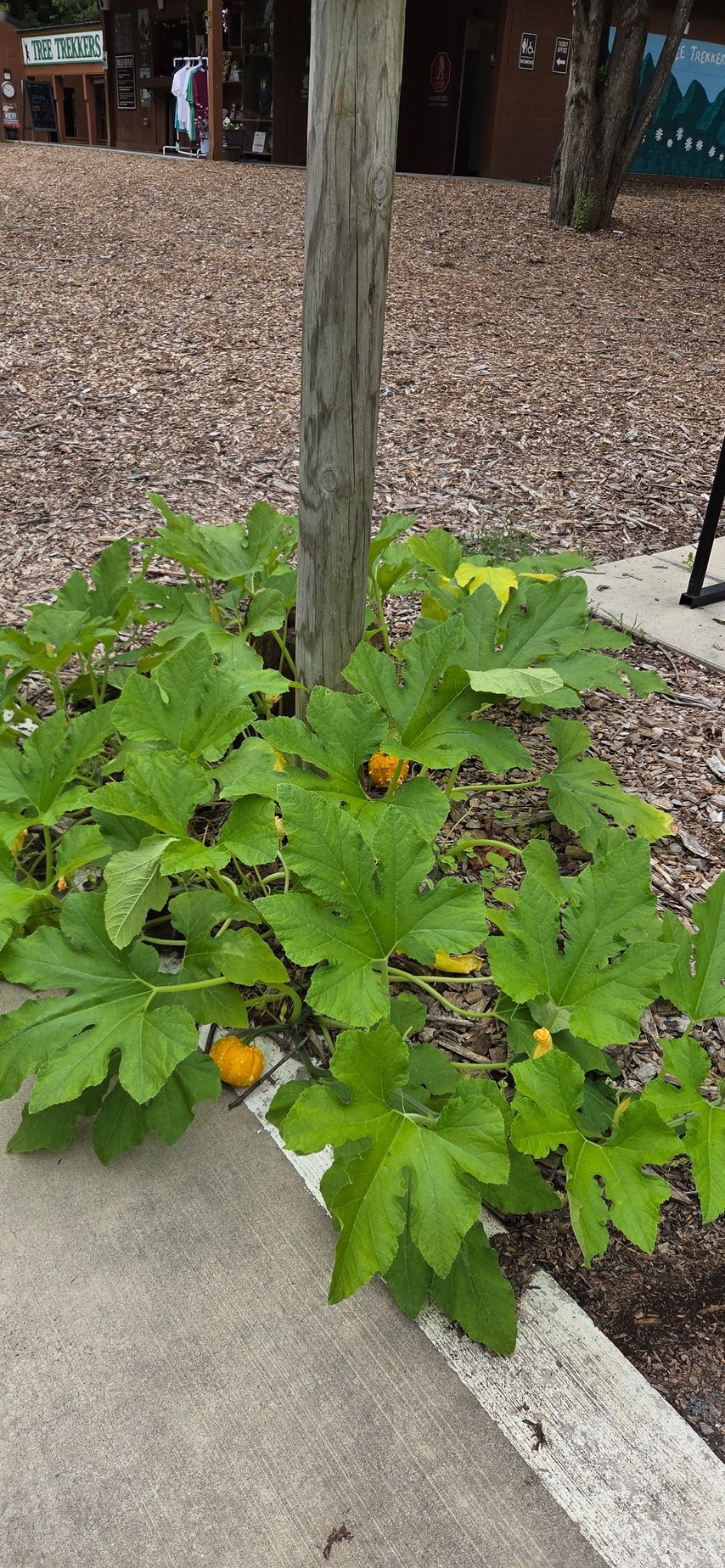
The flowers, shrubs, grasses, fallen leaves, logs and smaller plants growing beneath the canopy are all part of a connected ecosystem. These plants provide nectar, pollen, seeds, berries, shelter and nesting areas for countless species.
Native flowers and plants are especially important because local insects and wildlife have evolved alongside them. Some species depend on very specific plants to survive. One familiar example is the monarch butterfly. Monarch caterpillars can only eat milkweed.
The University of Maryland Extension explains in Why Include Native Plants in Your Garden? that native plants help preserve Maryland’s biodiversity while supporting pollinators, songbirds and beneficial insects.
Native plants can also require less supplemental water, fertilizer and pesticide when they are planted in conditions where they naturally grow well.
Pollinators such as bees, butterflies, moths, beetles, birds and bats help flowering plants reproduce by moving pollen between flowers. In return, flowers provide the nectar and pollen these animals need for food.
According to the U.S. Department of Agriculture’s guide to the importance of pollinators, three-fourths of the world’s flowering plants and approximately 35 percent of food crops depend on animal pollinators to reproduce.
Adventure and Conservation Can Grow Together
Tree Trekkers was created with a mission: to provide outdoor, family-friendly recreation while preserving a forest for future generations.
Our courses allow guests to experience nature from an entirely new perspective. High above the ground, climbers can see mature treetop canopies, hear birds calling through the woods and feel the movement of the forest around them.
It is an adventure, but it is also an opportunity to slow down, look around and appreciate what makes this experience possible.
Learn More About Trees, Forests and Native Plants
- Maryland’s Forests: Maryland Department of Natural Resources
- Benefits of Trees and Vegetation: U.S. Environmental Protection Agency
- Why Include Native Plants in Your Garden?: University of Maryland Extension
- Recommended Native Plants for Maryland: University of Maryland Extension
- The Importance of Pollinators: U.S. Department of Agriculture
- Forest Conservation and Management Program: Maryland Department of Natural Resources